
Chưa được phân loại
Why Phantom Feels Like the Right NFT Wallet Extension for Solana (Even When It’s Rough Around the Edges)
Whoa! Okay, so here’s the thing. I started using Phantom because everyone kept telling me it was the best Solana wallet—fast, simple, and clean. My first impression was almost immediate: that sleek UI hits different. But somethin’ felt off about how people talked about security like it was a checklist you could tick and forget. Hmm… I’ll be honest, I’m biased toward tools that don’t get in the way of the experience. Still, as a daily user of Solana dapps and browser extensions, I’ve run into small-but-real friction that’s worth calling out.
Short story: Phantom mostly just works. But when you dig into NFTs, extensions, and the weird corner-cases of browser behavior, you start to notice patterns. Some are delightful. Some are annoying. And some are “oh no” moments that made me double-check my seed phrase twice. On one hand, the ease of use gets users into the ecosystem quickly. On the other hand, that same ease can mask important trade-offs—permissions, approval flows, and the way browser extensions talk to websites.
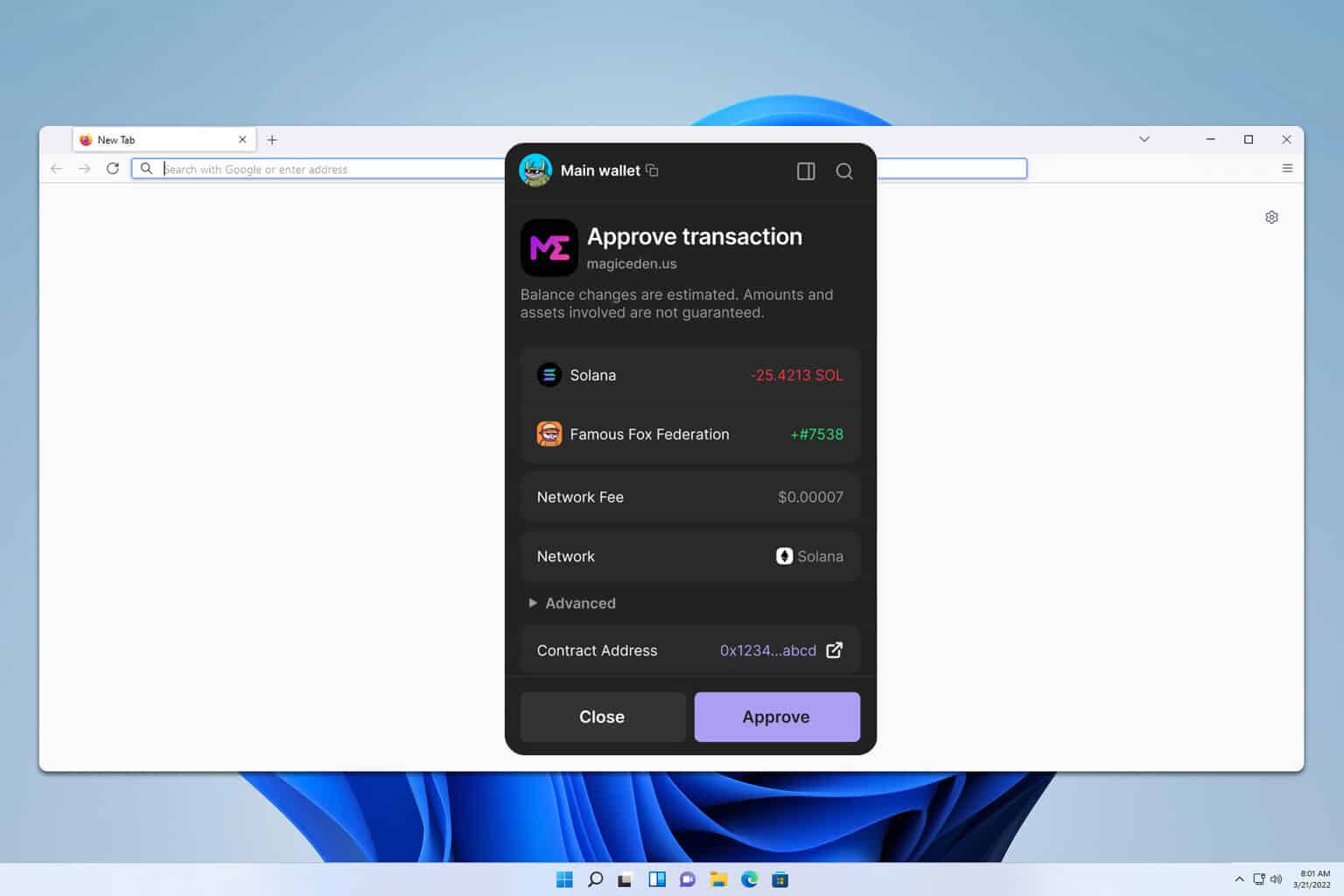
First impressions are powerful. Seriously? They are. The onboarding flow for Phantom is slower than a clickbait headline but smoother than a lot of crypto UX. I remember setting up a wallet on my laptop between meetings in a New York cafe (loud chatter, bad espresso). It took maybe five minutes. Wow! Later though, when I moved to collect an NFT drop on a crowded marketplace, the approval screens felt too permissive. Initially I thought the approvals were explicit, but then realized some permissions were aggregated, which made me uncomfortable. Actually, wait—let me rephrase that: the UX simplifies approvals by grouping things, and that helps new users, though it can obscure fine-grained control for power users.
Why that matters for NFTs. NFT ownership on Solana is more than a picture in your wallet; it’s access, status, and sometimes utility across sites. A wallet extension that hides permissions might speed signups, but it also increases the chance of accidental approvals. My instinct said to treat every approval cautiously. My instinct has been right before. So here’s my mental checklist when using Phantom with NFTs: check network, verify contract, review the approval scope, and if anything smells weird—stop. (Oh, and by the way, never reuse a seed phrase across wallets.)
User experience, quirks, and real-world use
Okay, so check this out—Phantom’s extension is built around simplicity. It handles SOL and SPL tokens gracefully, and its NFT gallery is actually pleasant to browse. But it’s not perfect. For example, the way the extension pins itself in Chrome or Brave can be confusing for newcomers. Some transactions need repeated confirmations, which is fine. Sometimes the extension loses context mid-transaction (browser tab reloads, you lose focus) and you have to re-initiate. That part bugs me. Still, compared to other wallets I’ve used in Silicon Valley testnets or on Main Street hacks, it’s stable most of the time.
One practical tip I’ve developed is to keep a small test wallet funded with a tiny amount of SOL for gas and approvals. That way, you can try signing a limited-scope transaction without risking your main holdings. It’s a little extra work, but it saves heartache. Also: use hardware key integration when you can. Phantom supports it, but setup can be fiddly depending on your device and browser. On the other hand, once a hardware device is linked, it adds a layer of comfort that I value highly—definitely worth the extra five to ten minutes to set up.
Security behavior deserves a separate note. The extension model inherently involves trusting browser code, and browsers have had vulnerabilities. I’m not trying to scare anyone here; rather, I want to be practical. Check extension permissions, minimize extra extensions that might interfere, and keep your OS and browser updated. My rule of thumb: fewer conflicting extensions, fewer surprises. Also, Phantom has begun adding more explicit warnings around approvals recently, which is a step in the right direction, though I’d still like even more granular control.
Performance is another win. Phantom is snappy on both Chrome and Brave. Transactions confirm fast on Solana, and that speed changes behavior—drops feel less stressful. But speed also creates a false sense of security. Quick confirmations mean you can make mistakes faster. So pause. Breathe. Confirm details. Seriously.
Interoperability with marketplaces and dapps is mostly frictionless. That matters when you’re moving NFTs between sites or when a new marketplace pops up and you want to mint or list quickly. On the flip side, because Phantom is so popular, it’s become a target for phishing attempts that mimic its UI. Be skeptical of pop-ups that look like your wallet but ask for full access to accounts. If something asks to export your private key or transfer tokens without clear context—don’t do it. Trust your gut.
Now about the mobile experience—Phantom’s app is decent, but it’s not interchangeable with the extension. Some flows work better on desktop, especially when dealing with complicated approvals or multiple tabs. I often hold my NFTs and view them on mobile, but I manage the heavy-lifting on desktop. It’s a trade-off. Mobile is convenient. Desktop gives you more control.
Okay, time for a quick practical pointer. If you want a straightforward place to install or update the extension, head to the official download link I use when I set up new browsers: https://sites.google.com/cryptowalletextensionus.com/phantomwalletdownloadextension/ —that’s usually my landing spot. I stick to one trusted source. Don’t get cute trying to find mirrors or random APKs.
What I want to see improved: finer-grain permission control, clearer hardware-wallet onboarding, and better education inside the UX for first-time NFT buyers. The product team has been responsive historically, though, and they iterate. On one hand, that’s encouraging. On the other hand, updates occasionally shift flows and leave power users grumbling for a week while they re-learn where things moved.
Some small UX things that drive me nuts: copy that repeats (very very redundant), labels that assume prior knowledge, and transaction snackbars that vanish too quickly. Little annoyances. Still, none of them are dealbreakers for me. I keep using Phantom because for the majority of NFT interactions it removes friction rather than adds it.
Common questions about Phantom and NFTs
Is Phantom safe for storing NFTs?
Mostly yes. It’s secure enough for everyday NFT collectors if you follow basic safety: use hardware keys for large holdings, verify contract addresses before approving transactions, and keep your seed phrase offline. Also, consider a small test wallet for risky interactions. My instinct is to treat every unfamiliar contract as suspicious until proven otherwise.
Can I use Phantom on mobile and desktop interchangeably?
Yes, but expect different strengths. Mobile is handy for viewing and quick checks. Desktop is better for minting, approvals, and managing collections across multiple tabs. They sync, but workflows can differ—so plan accordingly.